
How Many TMS Sessions Do You Need to See Results?
By Texas Holistic Psychiatry – Kingwood, Texas
If you’ve been considering Transcranial Magnetic Stimulation (TMS Therapy) as a treatment for depression, you probably have one big question: How many TMS sessions will it take before I feel better?
It’s a great question—and an important one. As a non-invasive and medication-free treatment, TMS Therapy is highly effective, but it works differently from a pill or one-time procedure. It’s a series-based therapy that requires consistency and patience.
In this blog, we’ll walk you through what to expect during your TMS journey, how many sessions are typically needed, and why Texas Holistic Psychiatry in Kingwood, Texas is the right place to start.

What is TMS Therapy?
TMS Therapy, short for Transcranial Magnetic Stimulation, is an FDA-approved treatment for individuals with treatment-resistant depression. Using gentle magnetic coils, TMS targets specific areas of the brain involved in mood regulation.
It’s a non-invasive depression treatment—there are no medications, no sedation, and no downtime. Most patients come in for daily sessions during the week and return to work or regular life immediately after.
How TMS Works for Depression
Depression is linked to underactivity in certain brain areas, especially the prefrontal cortex. TMS uses focused magnetic field intensity to stimulate those areas, promoting better communication between brain cells.
This form of brain stimulation leads to improved mood, energy, and even mental clarity. Unlike medications that affect the whole body, TMS is precise and localized, making it an excellent alternative to medication.
Understanding the TMS Treatment Timeline
TMS isn’t a one-time treatment. It’s a series of sessions that build upon one another to retrain the brain over time.
General TMS course:
- 5 sessions per week
- 20–36 total sessions (usually over 4–6 weeks)
- Each session lasts 20–40 minutes
At Texas Holistic Psychiatry, we customize your plan based on your symptoms, health history, and how you respond to treatment. Every patient starts with a TMS Initial Session, including a Motor Threshold Assessment, to safely determine your starting intensity.
Typical Number of TMS Sessions Needed
Most patients begin to notice change between session 10 and session 20. However, this can vary depending on:
- Severity and duration of your depression
- Presence of co-existing anxiety or insomnia
- Consistency of treatment attendance
- Brain’s responsiveness to magnetic stimulation
Some may feel better sooner, while others require a few extra sessions or booster treatments later on.
Why Consistency Matters in TMS Therapy
TMS builds neuroplasticity—your brain’s ability to create new, healthy pathways. But just like going to the gym, you need to go consistently to see results.
Missing too many sessions in a row can delay your progress. That’s why we recommend scheduling and committing to your full program at the start.
At our TMS office in Kingwood, Texas, we work around your schedule to make it as easy as possible.
What to Expect Week by Week
Here’s a general idea of how your TMS sessions might feel:
- Week 1: Getting used to the procedure; some scalp sensitivity or mild headaches after TMS
- Week 2–3: Subtle changes begin—improved sleep, reduced crying, fewer negative thoughts
- Week 4–5: Clear improvements in energy, mood, and mental clarity
- Week 6+: Continued emotional stability, better concentration, and less irritability
Factors That Affect How Quickly You See Results
No two brains are the same, which is why some patients notice results sooner than others. Factors that can influence speed include:
- Type of depression (e.g., melancholic, atypical)
- History of trauma or PTSD
- Use of complementary therapy (like talk therapy, exercise)
- Sleep quality and nutrition habits
- Presence of a strong support system for TMS patients
We encourage a holistic approach to healing, including therapy, self-care, and family support alongside TMS.
Early Signs of Improvement After TMS
Some early signs that TMS is working:
Improved sleep and waking up with more energy
Easier time getting out of bed
Less emotional reactivity
More hopefulness and motivation
Reduced intrusive or hopeless thoughts
These subtle wins matter. At Texas Holistic Psychiatry, we track your mood with weekly assessments so you can see how far you’ve come.
Long-Term Improvements After TMS
Improvements after TMS often continue even after sessions end. This is because the brain keeps responding and rewiring itself.
Patients often report:
- Greater ability to concentrate
- Improved performance at work or school
- Stronger emotional regulation
- Return of interest in hobbies and relationships
And for many, these benefits last for months—or even years.
Complementary Therapy and Lifestyle Support
TMS works best when supported with other healthy practices:
- Talk therapy
- Meditation
- Light exercise
- Nutrition changes
- Journaling or mindfulness
We work with you to create a plan that supports your journey beyond just TMS.
What If You Don’t Feel Better Right Away?
It’s totally normal to worry if you don’t feel immediate change. TMS isn’t instant, and some patients see slower but steady improvements.
If no progress is seen by session 20, we may:
Reassess stimulation strength
Extend the treatment course
Add complementary therapy
Explore TMS vs. ECT (if necessary)
Our goal is always to help you find what works—not just push you through a protocol.
Booster Sessions: What They Are and Who Needs Them
Some patients may benefit from booster sessions weeks or months after completing the initial course.
You may be a candidate if:
Your symptoms return after improvement
You had excellent results but face new stressors
Your provider recommends maintenance care
Boosters are usually fewer in number and spaced out more.
How Texas Holistic Psychiatry Tracks Progress in Kingwood, Texas
Here’s what sets us apart:
Pre-session planning and education
Personalized mapping using motor threshold assessment
Weekly mood + symptom tracking
One-on-one check-ins
Transparent communication with your care team
We’re more than a clinic—we’re your partners in healing.
Conclusion: Healing Takes Time, but It Works
So, how many TMS sessions do you need to see results?
The answer is: typically 30, but your brain, your story, and your healing are unique.At Texas Holistic Psychiatry, we help you navigate that journey with clarity, compassion, and science-backed treatment in Kingwood, Texas.
Whether you’re struggling with depression, anxiety, or brain fog, we’re here to help you feel like yourself again.
Related Post
-
 ADHD in Adults vs ADHD in Children
 -
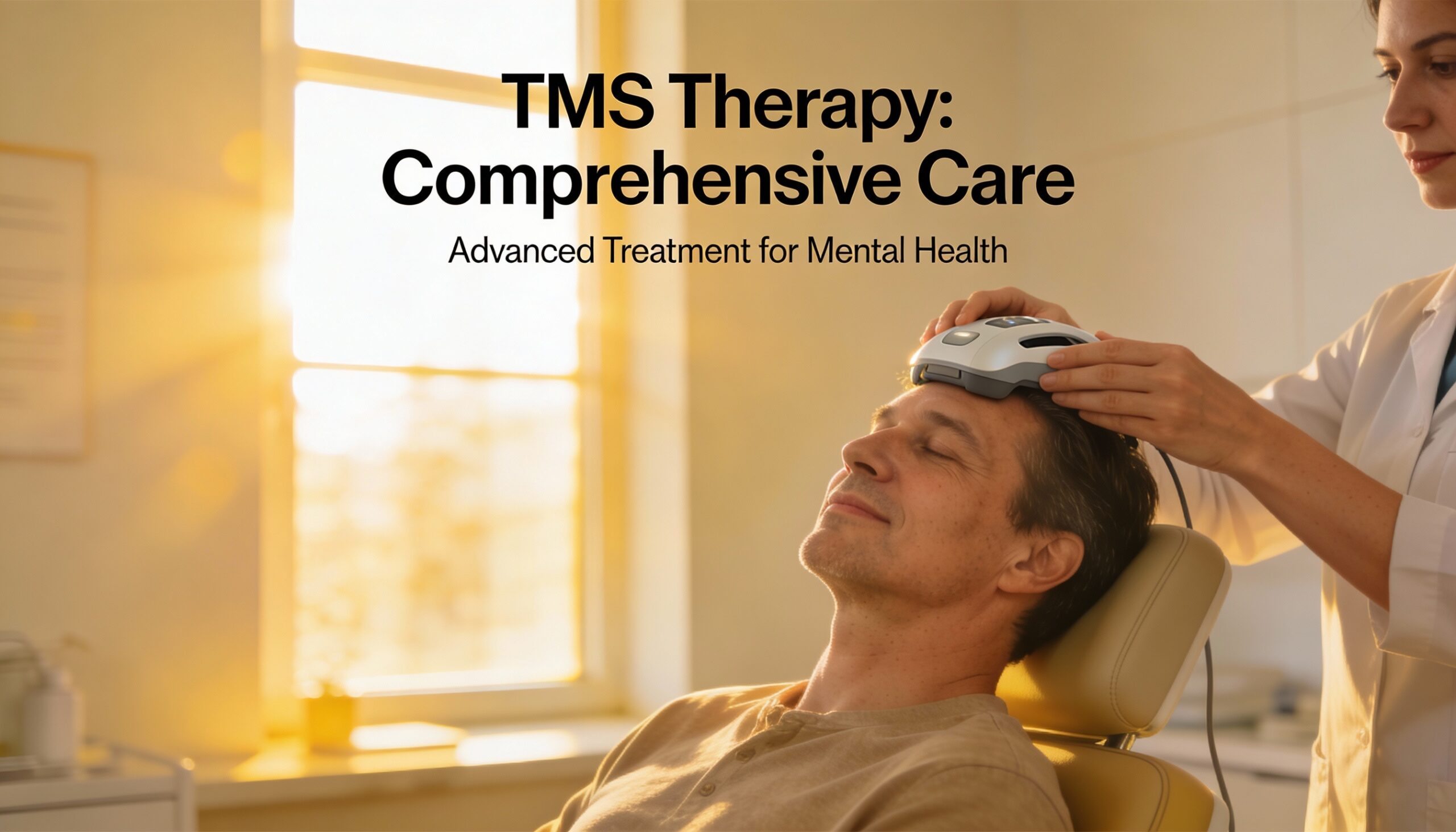 TMS Therapy for Treatment-Resistant Depression in Houston
 -
 How Many TMS Sessions Do You Need to See Results?
 -
 How TMS Therapy Helps You Regain Focus and Mental Clarity
 -
 Does TMS Therapy Improve Sleep for People with Depression?
 -
 How Long Do the Effects of TMS Therapy Last?
 -
 TMS vs. Medication: Which Depression Treatment Option Is Right for You?
 -
 How to Prepare for Your TMS Therapy Session
 -
 What Is TMS Therapy and How Does It Work for Depression?
 -
 How Lifestyle Changes Can Enhance Your Mental Health Treatment | Holistic Psychiatry Kingwood
 -
 How to Support a Loved One with Depression
 -
 5 Proven Benefits of TMS Therapy for Mental Health
 -
 Signs You Might Have Treatment-Resistant Depression (And What to Do About It)
 -
 What is TMS Therapy? A Beginner’s Guide to Non-Invasive Depression Treatment